
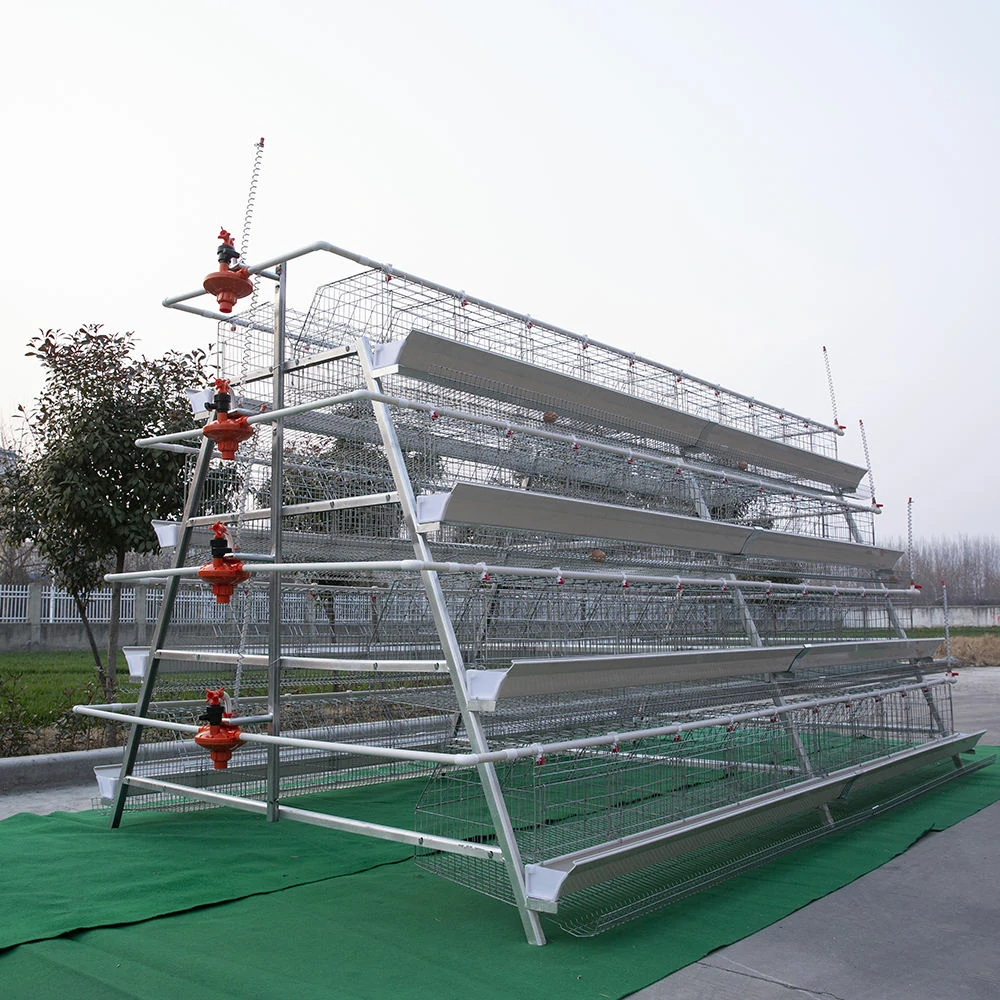
Why A-Type Layer Chicken Cages Are the Smart Choice for Poultry Farmers in Bangladesh
In recent years, Bangladesh’s poultry industry has experienced rapid growth, driven by rising demand for eggs and meat. However, traditional backyard farming methods are increasingly insufficient to meet commercial-scale needs. Enter the A-type layer chicken cage—a modern, space-efficient, and highly productive solution that’s gaining popularity among Bangladeshi farmers.
What Is an A-Type Layer Cage?
An A-type layer cage is a multi-tiered poultry housing system shaped like the letter “A.” Typically featuring 2–3 tiers, it allows farmers to house more birds in less floor space without compromising bird welfare or egg production. Each tier includes individual compartments with sloped wire mesh floors that allow eggs to roll gently into collection trays, minimizing breakage and simplifying daily harvesting.
Space Efficiency for Small Farms
Land scarcity is a major challenge in densely populated Bangladesh. Many small- and medium-scale poultry farms operate on limited plots of land. The A-type cage maximizes vertical space, enabling farmers to raise 90–120 birds in just 10 square meters—far more than traditional floor systems. This efficiency translates directly into higher income per square foot, making it ideal for urban and peri-urban poultry operations.
Improved Hygiene and Disease Control
One of the biggest advantages of caged systems is better sanitation. In A-type cages, chickens are separated from their droppings, which fall through the wire mesh into manure pits or collection trays below. This significantly reduces the risk of parasitic infections, coccidiosis, and other diseases common in litter-based systems. For Bangladeshi farmers—who often lack access to advanced veterinary services—this built-in biosecurity is a game-changer.
Labor and Feed Savings
Manual feeding, egg collection, and cleaning consume considerable time and labor. A-type cages streamline these tasks. Automatic or semi-automatic feeders can be installed along each tier, ensuring uniform nutrition while reducing feed wastage. Eggs roll automatically to the front for easy collection, cutting labor costs by up to 30%. In a country where labor costs are rising, such efficiencies boost profitability.
Climate Adaptation
Bangladesh’s hot and humid climate poses challenges for poultry health. Well-designed A-type cages promote airflow between tiers, helping to keep birds cooler. When installed in properly ventilated sheds with shade nets or evaporative cooling systems, these cages support consistent egg production year-round—even during the scorching summer months.
Affordability and Local Manufacturing
While imported European cages can be prohibitively expensive, locally manufactured A-type cages offer a cost-effective alternative. Several Bangladeshi agri-tech companies now produce high-quality cages using galvanized steel, ensuring durability against rust and corrosion in humid conditions. Initial investment typically pays off within 12–18 months through increased egg output and reduced mortality.
Government Support and Training
The Bangladesh government actively promotes modern poultry practices through subsidies, training programs, and extension services. Farmers adopting A-type cages can often access low-interest loans or technical guidance from the Department of Livestock Services. Such support lowers entry barriers and encourages sustainable intensification.
For Bangladeshi poultry farmers aiming to scale up efficiently and sustainably, the A-type layer chicken cage is more than just equipment—it’s a strategic investment in productivity, hygiene, and resilience. As the nation’s demand for protein continues to rise, embracing smart farming technologies like the A-type cage will be key to building a profitable and future-ready poultry sector.
Subscribe to our free newsletter
delivering advanced intelligent solutions for the entire poultry spectrum.