
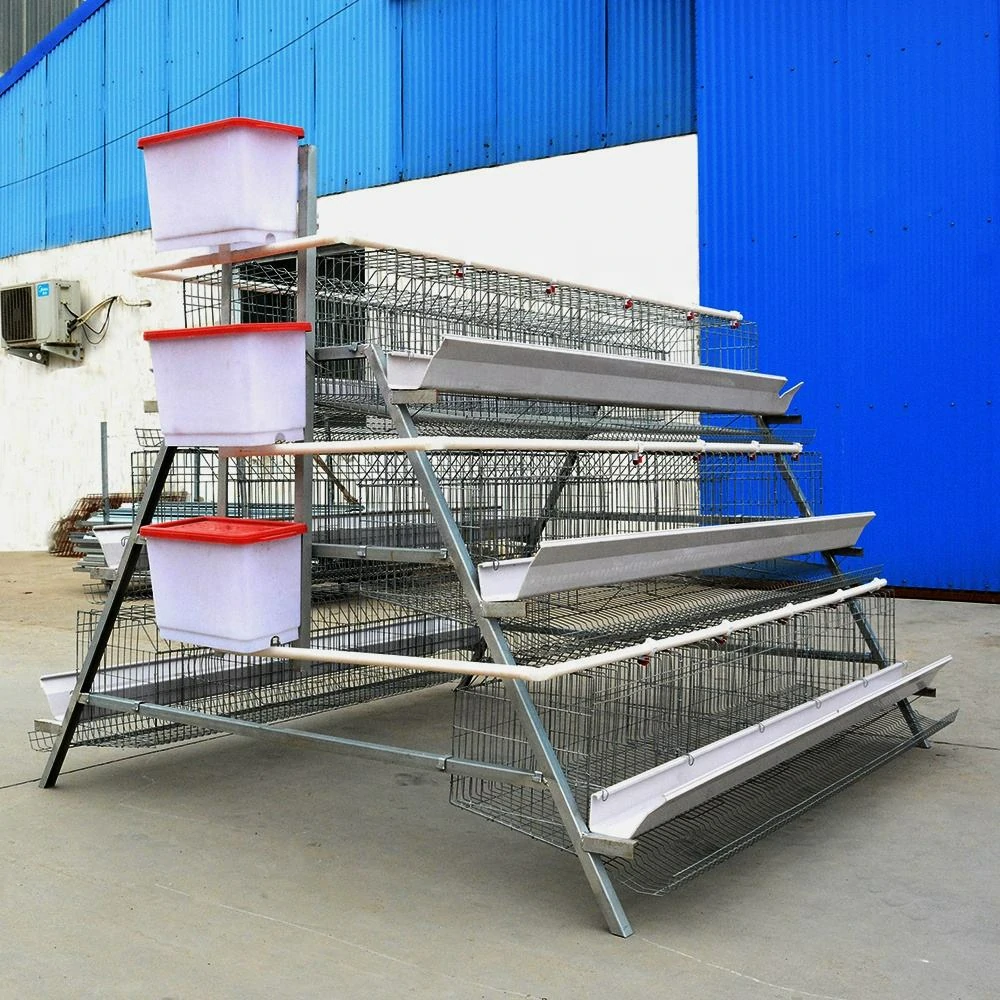
Inside a Typical Chicken Cage Factory
When you buy a chicken cage for your backyard flock or commercial poultry farm, have you ever wondered where it comes from—and how it’s made? Behind every durable, safe, and efficient chicken cage is a well-organized manufacturing facility dedicated to precision, animal welfare, and innovation. Let’s take a closer look at what goes on inside a typical chicken cage factory.
1. Design & Engineering Phase
It all starts with design. Modern chicken cages aren’t just metal frames—they’re engineered systems tailored to specific farming needs. Engineers use CAD software to create 3D models that optimize space, ventilation, feed access, and waste management. Whether it’s a battery cage for layer hens or a broiler cage system, the layout must comply with regional animal welfare standards and ergonomic requirements for farmers.
2. Material Selection
Most high-quality chicken cages are made from galvanized steel or hot-dip galvanized wire mesh. This material resists rust, withstands harsh farm environments, and ensures a long service life—often over 15 years. Some factories also offer PVC-coated options for added corrosion resistance in humid climates.
Raw materials arrive in massive coils or sheets. Quality control teams test tensile strength, zinc coating thickness, and weld integrity before production begins.
3. Manufacturing Process
The core of the factory floor includes several key stages:
Wire Straightening & Cutting: Steel wire is fed through straightening machines and cut to precise lengths.
Welding: Automated welding machines fuse wires into grids at exact intervals (e.g., 50mm x 50mm), forming the cage panels. Precision welding ensures structural stability.
Bending & Forming: Hydraulic presses shape panels into cage bodies, doors, and feed troughs.
Galvanizing (if not pre-galvanized): Some factories apply an additional hot-dip galvanizing layer after assembly for extra protection.
Assembly & Inspection: Workers assemble cage components—doors, dividers, manure belts (in automated systems)—and conduct final quality checks.
Advanced factories may integrate robotic arms and IoT sensors to monitor production consistency in real time.
4. Customization Capabilities
A typical modern chicken cage factory doesn’t just mass-produce one model. Many offer customization:
Adjustable cage sizes (for 3, 5, or 8 birds per cage)
Integrated automatic feeding and watering lines
Compatibility with egg collection systems
Modular designs for easy expansion
This flexibility allows farms of all scales—from small homesteads to industrial operations—to find suitable solutions.
5. Quality Assurance & Certification
Reputable factories adhere to international standards such as ISO 9001 (quality management) and may hold certifications for animal welfare compliance (e.g., EU Directive 1999/74/EC for layer housing). Every batch undergoes load testing, corrosion resistance checks, and safety audits.
6. Packaging & Logistics
Finished cages are carefully packed to prevent damage during shipping. Flat-packed designs save space and reduce freight costs. Leading manufacturers often provide installation guides or even on-site support for large orders.
Why It Matters
Understanding how chicken cages are made helps buyers make informed decisions. A cage from a professional, transparent factory isn’t just a container—it’s a health and productivity tool for your poultry operation. Poorly welded joints or thin coatings may seem cheap upfront but lead to frequent replacements and stressed birds.
A typical chicken cage factory blends traditional metalworking with smart automation to deliver reliable, humane, and efficient poultry housing. When sourcing cages, look beyond price—consider the manufacturer’s engineering capability, material quality, and commitment to sustainability. After all, happy hens start with a well-built home.
Subscribe to our free newsletter
delivering advanced intelligent solutions for the entire poultry spectrum.