
Successful Delivery and Installation of H-Type Layer Chicken Cages in Nigeria
In 2025, our company successfully completed a landmark poultry infrastructure project in Nigeria, delivering and installing 10,000 sets of H-type layer chicken cages for a large-scale commercial egg farm located in Oyo State. This project not only demonstrated our technical expertise in poultry equipment manufacturing but also reinforced our commitment to supporting sustainable agricultural development in West Africa.
The client, one of Nigeria’s fastest-growing agribusinesses, sought to modernize its egg production facilities to meet rising domestic demand and improve operational efficiency. After an extensive evaluation of international suppliers, they selected our company based on our proven track record, high-quality cage systems, and comprehensive after-sales support.
The H-type layer cage system—named for its distinctive “H”-shaped frame structure—offers significant advantages over traditional A-frame or stepped cages. It maximizes space utilization by enabling multi-tier stacking (typically 4–8 tiers), reduces labor costs through centralized feeding and manure removal systems, and improves bird welfare with optimized ventilation and lighting conditions. Each cage unit houses 96 birds across four decks, allowing the farm to accommodate over 960,000 laying hens in a controlled, hygienic environment.
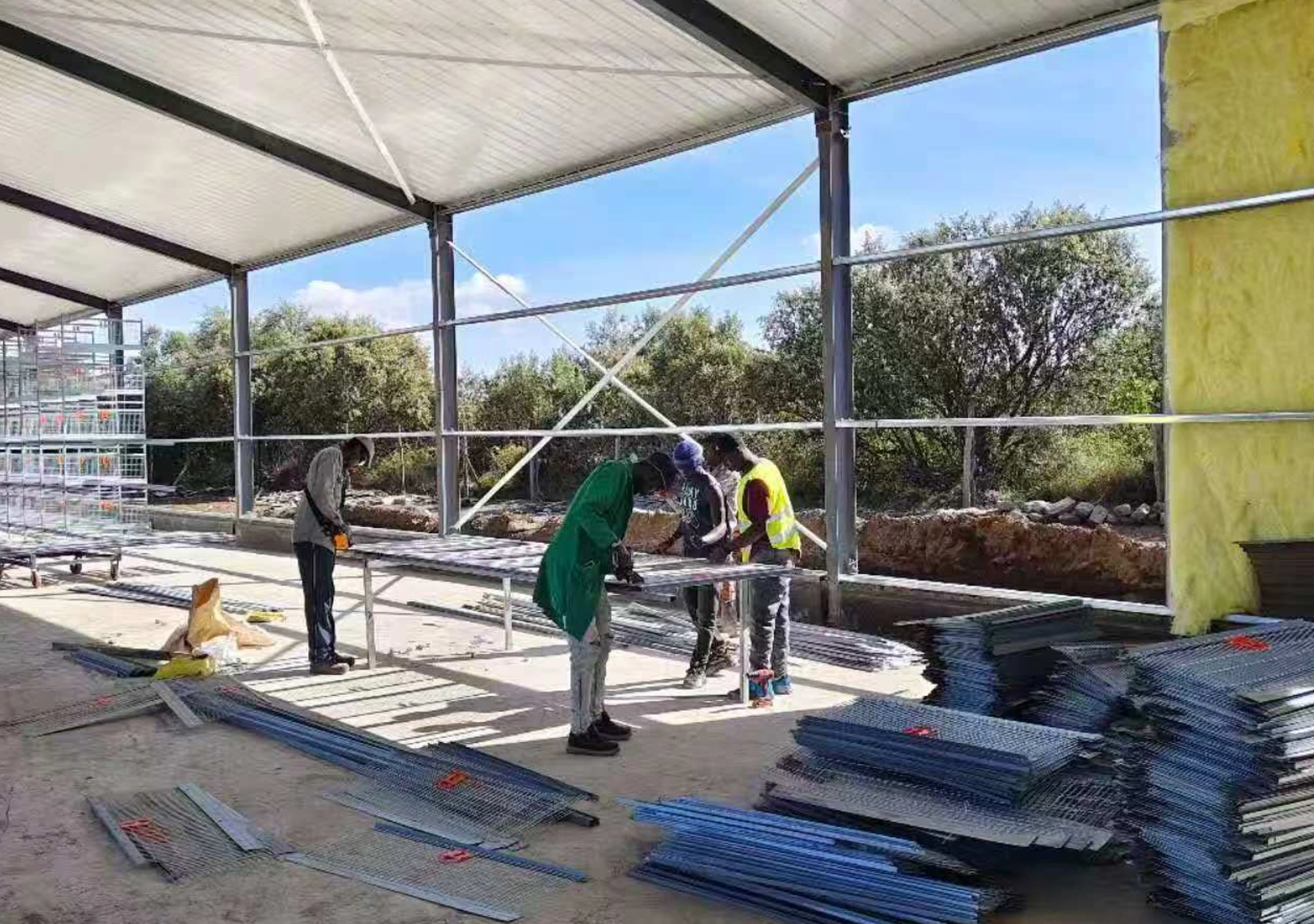
Our scope of work included design consultation, custom engineering based on local climate and building specifications, full manufacturing at our ISO-certified facility in China, sea freight logistics to Lagos Port, inland transportation to the farm site, and on-site installation supervised by our technical team. The entire project—from contract signing to final commissioning—took just five months, a testament to our streamlined project management and strong coordination with Nigerian partners.
One of the key challenges was adapting the system to Nigeria’s tropical climate. High humidity and temperature fluctuations can affect both equipment durability and hen performance. To address this, we incorporated galvanized steel with enhanced anti-corrosion coating, installed automated ventilation fans integrated with the cage structure, and recommended supplementary cooling systems such as evaporative pads—solutions that have since become standard recommendations for similar projects in the region.
Another critical success factor was training. Our team conducted a two-week hands-on training program for the client’s farm managers and technicians, covering daily operation, routine maintenance, troubleshooting, and biosecurity protocols. This empowered the local workforce to manage the system independently, ensuring long-term productivity and minimizing downtime.
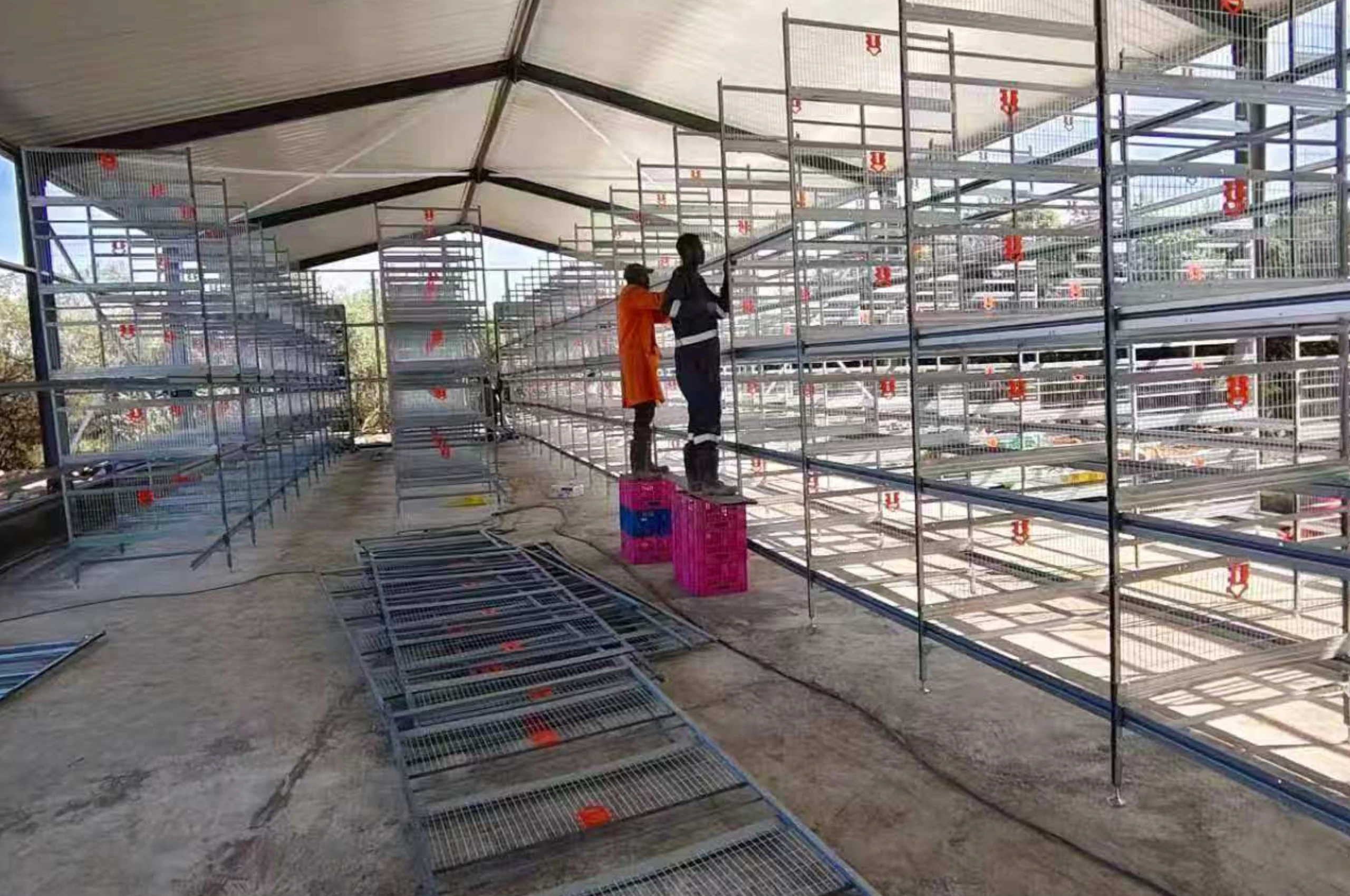
Post-installation monitoring showed impressive results: within three months, the farm reported a 12% increase in egg production compared to their previous system, a 15% reduction in feed wastage, and significantly improved egg quality due to reduced stress and better hygiene. Mortality rates also dropped by 8%, reflecting enhanced animal welfare standards.
This project has set a new benchmark for large-scale layer farming in Nigeria. It showcases how advanced poultry housing technology, when tailored to local conditions and supported by knowledge transfer, can drive economic growth, food security, and sustainable farming practices.
Our company is in discussions with several other Nigerian agribusinesses to replicate this model across different states. We remain committed to partnering with African farmers and enterprises to build resilient, efficient, and humane poultry production systems that meet the continent’s growing nutritional needs.
Subscribe to our free newsletter
delivering advanced intelligent solutions for the entire poultry spectrum.